
Introduction:
In multiple industries, magnetic couplings are a reliable and effective solution. They provide a leak-free and contamination-free method of providing torque in sensitive pharmaceutical environments and chemical processing plants. This blog discusses what a magnetic coupling is, how they operate, the various types of magnetic coupling available, and the key factors to consider when selecting one for your application.
Understanding Magnetic Couplings
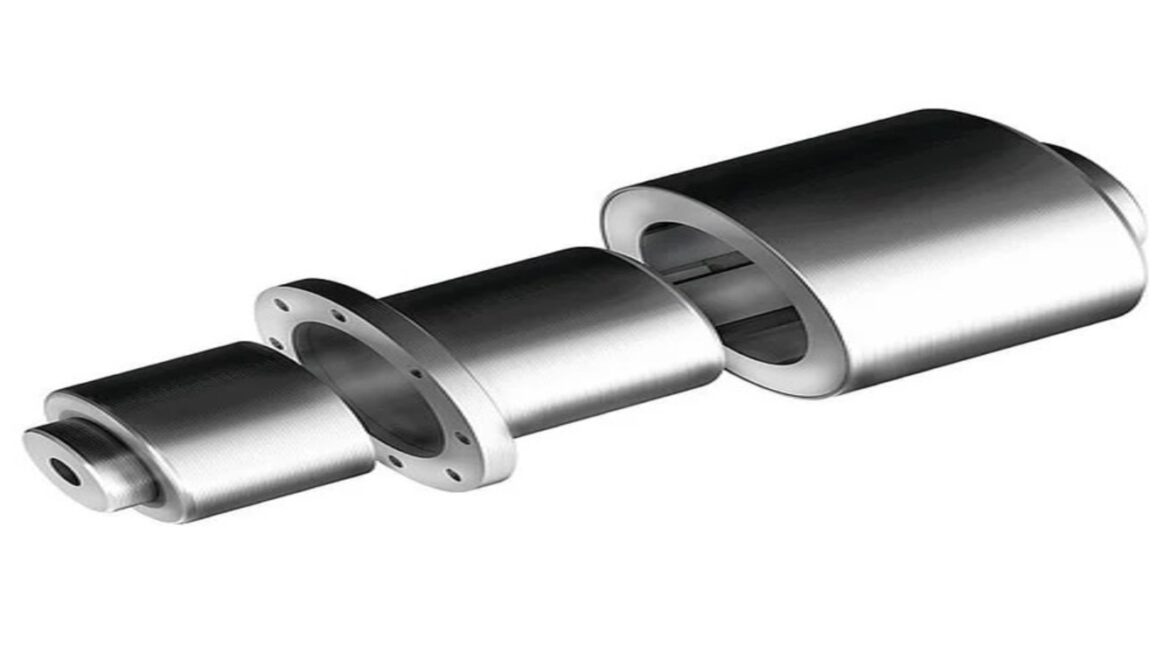
It is a machine used to transfer torque between two shafts without actual contact. It is made of two pairs of magnets, one of which is attached to the driving shaft and the other to the driven shaft. The interaction between these magnets occurs through a containment barrier made of stainless steel or other non-magnetic materials, allowing torque to be transmitted across a sealed interface.
This non-contacting feature means that magnetic couplings can be used in places where leakage is an issue, such as in pumps working with corrosive, toxic, or volatile liquids. Moreover, they isolate vibrations and minimise wear and tear, as no physical components are moving against each other.
Benefits of Using Permanent Magnetic Couplings
One of the most important inventions in this design is permanent magnetic coupling technology. The couplings make use of permanent magnets for their stable operation, which does not require an external power source. They also offer protection against torque slip – in case they are overloaded, the magnets automatically decouple, thus protecting the equipment from any wear and tear.
Permanent magnetic couplings save energy as well and are thus friendly to the environment since they produce minimum mechanical losses and are not lubricated. They are robust and reliable and are especially useful in chemical processing, food and beverage and marine systems.
Types of Magnetic Coupling
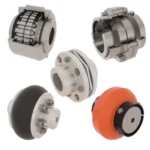
Depending on the design and its use, magnetic couplings are divided into several types:
- Cylindrical Magnetic Couplings: They are coaxial magnets used in pumps and agitators.
- Disc Magnetic Couplings: These are used where space is limited, and accuracy is required for torque transfer.
- Linear Magnetic Couplings: These couplings transfer force in a linear direction and are used in actuators.
- Custom Magnetic Couplings: These have specialised use cases and typically feature a unique arrangement of magnets, materials, or sealing patterns.
Each type has its different advantages and trade-offs. To choose the right type, you must know well the torque requirements of your system, the operating conditions and the space available.
How Does a Disc Magnetic Coupling Work?
A disc magnetic coupling is one of the standard design variants. Magnets in this arrangement are in a disc form and face each other, allowing the transfer of torque through a small gap along the axis. It produces high torsional stiffness. Owing to its compact size, it is helpful in space-limited applications.
Disc magnetic couplings find application in microfluidic devices, precision machinery and laboratory equipment. It is smooth and low-maintenance, as well as less likely to suffer mechanical failure due to friction or misalignment owing to its non-contact operation.
Applications and Industries that Benefit from Magnetic Couplings
Magnetic couplings are a proven replacement for traditional mechanical couplings, suited to pharmaceutical clean rooms and industrial plants requiring heavy-duty connections.
They are most often used in:
- Magnetic-driven pumps
- Chemical mixers
- Stirred tank reactors
- Semiconductor manufacturing
- Processing equipment – food grade
Factors to Consider When Customising a Magnetic Coupling
A custom magnetic coupling design considers several key factors. Start by assessing your torque requirements and the rotational speed of your system. You also need to consider environmental factors such as temperature, exposure to corrosive chemicals, and pressure before finalising. The magnetic material, whether neodymium or samarium-cobalt, can have a significant impact on the costs and performance of the coupling.
Two factors that engineers also consider when coming up with custom disc magnetic couplings are alignment and manufacturing tolerances, which lead to loss of torque and inefficient performance. Work with a manufacturer specialising in custom solutions so that they take care of these critical parameters well.
Conclusion
The efficiency, reliability and safety of magnetic coupling solutions have transformed how many industries are run. Whether you are considering standard or custom solutions, the knowledge of the different types and how they work will enable you to make the right decisions to enhance the performance of the systems and reduce downtimes. To increase the efficiency of operation and minimise long-term maintenance expenses, work with a professional who provides custom magnetic couplings with solid engineering.
Also Read: Disc Magnetic Coupling