
What is a Servo Coupling?
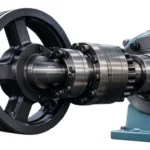
A Servo Coupling is a precision mechanical coupling that connects a servo motor to a driven shaft while transmitting torque with minimal or zero backlash. It compensates for shaft misalignment, ensures accurate motion control, and is commonly used in CNC machines, robotics, packaging equipment, and industrial automation systems.
What is Servo Coupling?
Servo motor coupling refers to the mechanical device that connects a servo motor to another component, such as a lead screw, gear, or another rotating device. It allows for the transmission of torque and rotational motion while accommodating misalignments between the connected shafts.
Importance of Servo Couplings
Servo couplings play a vital role in ensuring smooth and accurate operation in systems that require precise motion control. They help in minimizing backlash, compensating for misalignments, and reducing vibration, which are critical for maintaining the accuracy and efficiency of the system.
Types and Categories
Servo couplings come in various designs, each suited to specific needs and applications. Here are some of the most common types:
Beam Couplings
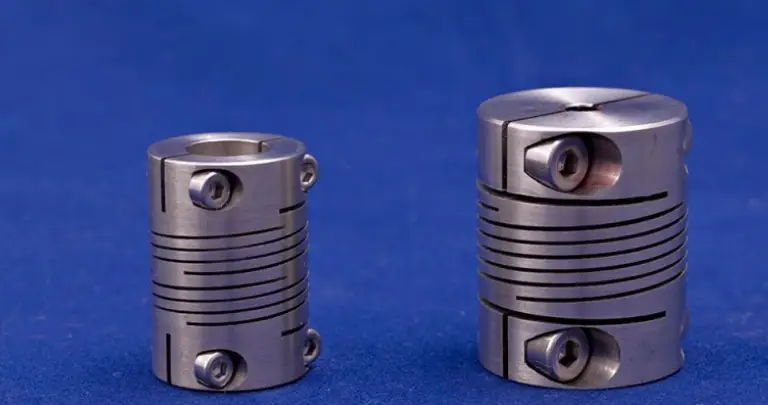
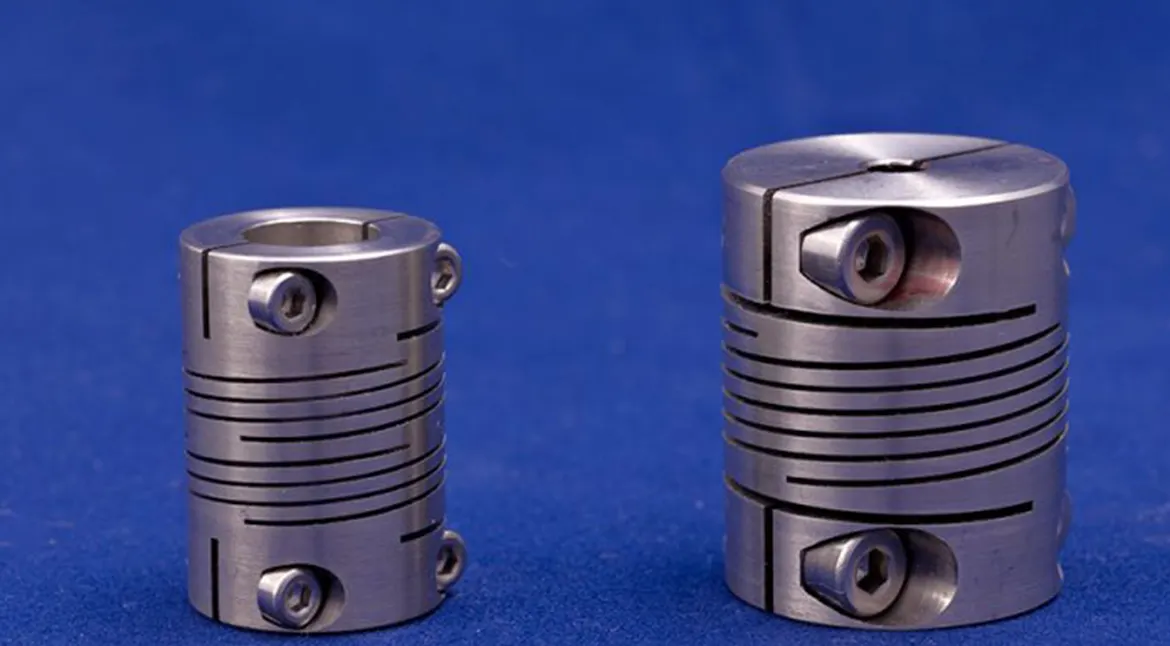
Beam couplings, also known as helical couplings, feature a single piece of material with spiral cuts. These cuts allow the coupling to flex while maintaining torsional stiffness, making them suitable for accommodating angular, axial, and parallel misalignments.
Oldham Couplings

Oldham couplings consist of three components: two hubs and a floating disk. The disk is sandwiched between the hubs and transmits torque by sliding back and forth. This design is particularly effective at handling parallel misalignment.
Jaw Couplings
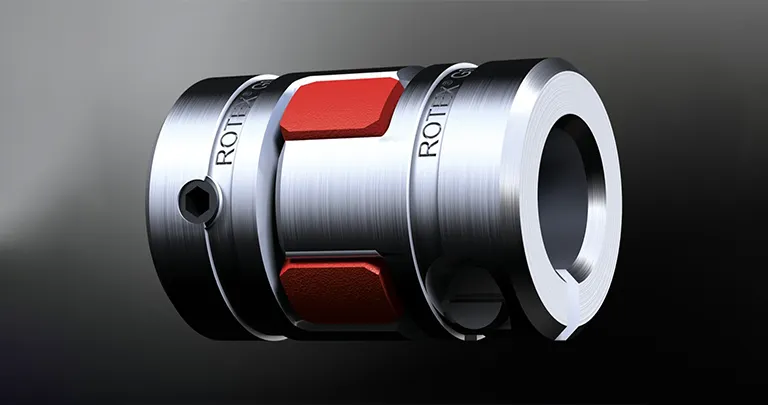
Jaw coupling consist of two metal hubs with a flexible elastomer spider between them. They are known for their ability to absorb shocks and vibrations, making them ideal for applications where these factors are prevalent.
Bellows Couplings
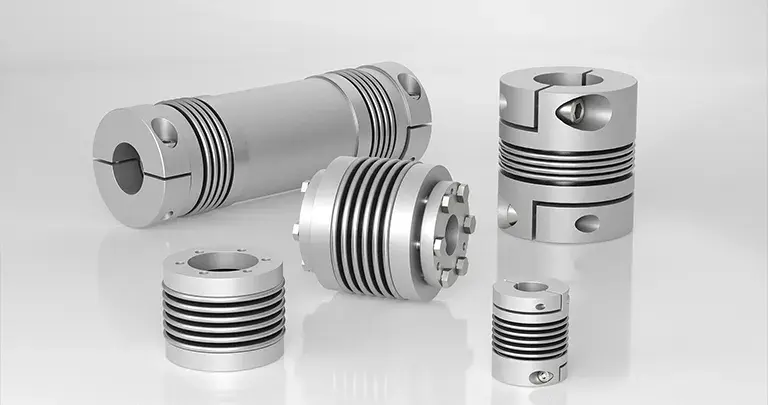
Bellows couplings use a flexible metal bellows to transmit torque while compensating for misalignments. They offer high torsional stiffness and are commonly used in precision applications where accuracy is paramount.
Disc Couplings
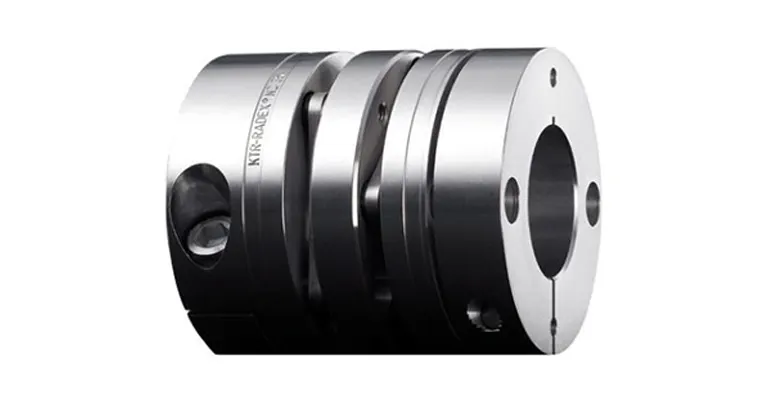
Disc couplings use a series of thin, flexible metal discs to transmit torque and accommodate misalignments. They provide high torsional stiffness and are suitable for high-speed applications.
Symptoms and Signs of Servo Coupling Issues
Identifying issues with servo couplings is essential to maintain the performance and longevity of mechanical systems.
Common Symptoms
 Excessive Vibration: Increased vibration can indicate misalignment or wear in the coupling.
- Backlash: Noticeable play or backlash in the system may suggest a problem with the coupling.
- Noise: Unusual noises, such as clicking or rattling, can be a sign of coupling issues.
- Heat: Excessive heat generation at the coupling point can indicate misalignment or inadequate lubrication.
 Excessive Vibration: Increased vibration can indicate misalignment or wear in the coupling.
Diagnosing Issues
Regular inspection and maintenance can help identify and address issues with servo couplings before they lead to significant problems. Using diagnostic tools like vibration analysis and thermography can also aid in early detection.
Misalignment
One of the primary causes of servo coupling issues is misalignment between the connected shafts. This can be due to improper installation or changes in the system over time.
Causes and Risk Factors
Understanding the causes of servo coupling issues can help in preventing them and maintaining the efficiency of the system.
Overloading
Overloading the coupling beyond its rated capacity can lead to premature wear and failure. It’s essential to select a coupling that matches the system’s requirements.
Environmental Factors
Environmental conditions, such as temperature and humidity, can affect the performance of servo couplings. Extreme conditions can cause material degradation and reduce the coupling’s lifespan.
Why Choose DEAE for Servo Couplings?
DEAE supplies high-quality Servo Couplings for precision motion control across CNC, robotics, packaging, and automation industries. We offer expert technical guidance, reliable product availability, and fast support to help customers select the right coupling for their application.
Expert Tip: For high-precision motion control applications such as CNC machining and robotics, choose a Servo Coupling with minimal backlash and appropriate torsional stiffness to maintain positioning accuracy and extend equipment life.
A Servo Coupling transfers rotational motion and torque from a servo motor to the driven equipment while accommodating angular, parallel, and axial shaft misalignment. Its flexible design reduces vibration, minimizes stress on connected components, and maintains precise positioning, making it ideal for high-performance motion control applications.
Zero backlash ensures there is no unwanted movement or play between connected shafts during torque transmission. This improves positioning accuracy, repeatability, and motion control, which are essential in applications such as CNC machining, robotics, semiconductor equipment, and automated production systems where precision directly affects performance and product quality.
Yes, Servo Couplings are designed to provide controlled flexibility while maintaining high torsional stiffness. They compensate for minor shaft misalignment and absorb vibration without compromising positioning accuracy. This balance of flexibility and precision helps protect connected equipment and ensures reliable performance in demanding industrial automation applications.