
Disc coupling is a prime choice when choosing a high-performance torque transmission device. It works precisely while being durable and reliable. It is crucial in several industrial sectors to ensure the smooth operation of different machines.
In this blog, we will explore the industrial applications of this technology, its working principles, and how it is being used in several use cases.
The Working Principle of Disc Coupling
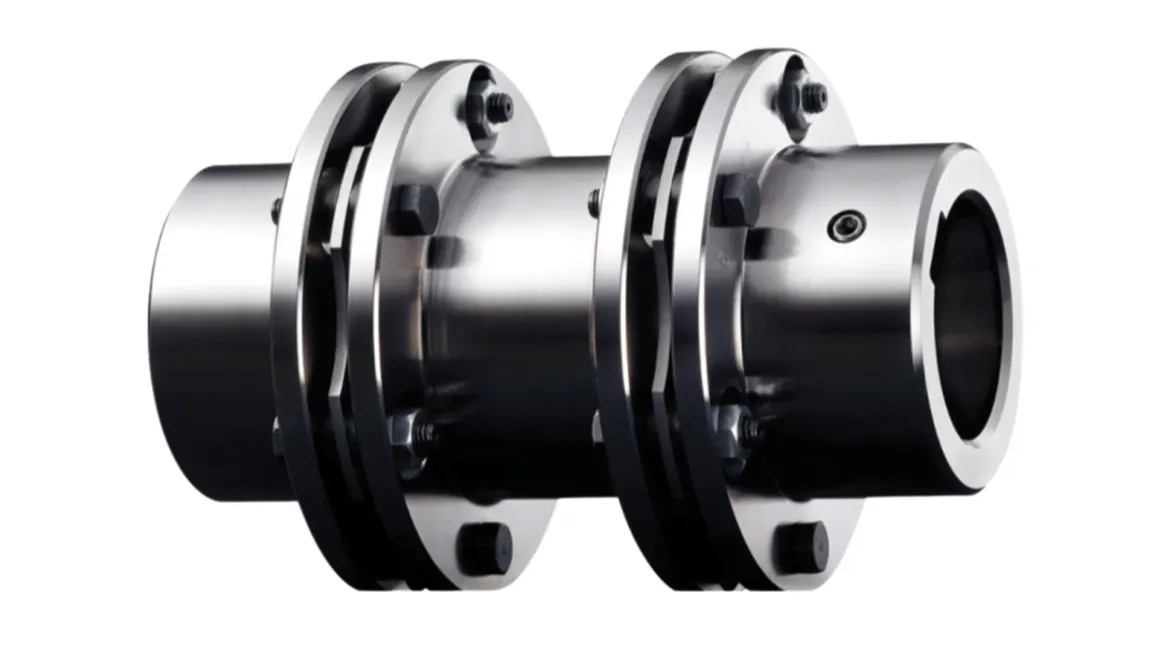
Disc coupling works on a straightforward mechanism: the torque moves between shafts using multiple thin, flexible metal discs. These discs are bolted in a specific arrangement to hubs mounted on each shaft.
Here’s what happens during the operation:
As the shafts rotate, the metal discs transfer torque from one hub to the next. These discs are arranged to flex when shaft misalignment (axial, angular, or radial) occurs. The flexible design of the disc couplings helps handle the strong shaft movements while maintaining alignment.
This device is versatile because its disc geometry allows precise cutting patterns for different loads.
Types of Disc Coupling
In mechanical engineering, we need different configurations to match the diverse needs across industries.
The most common types are:
Single-disc coupling
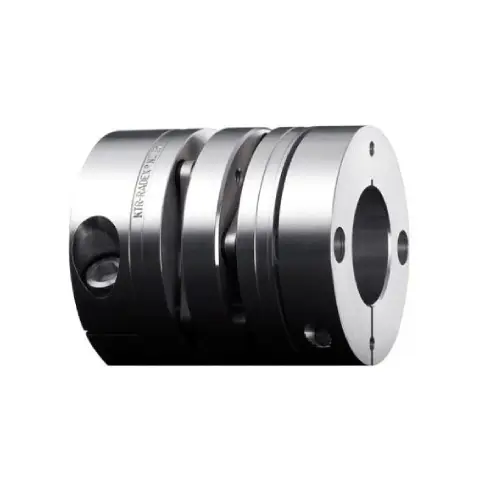
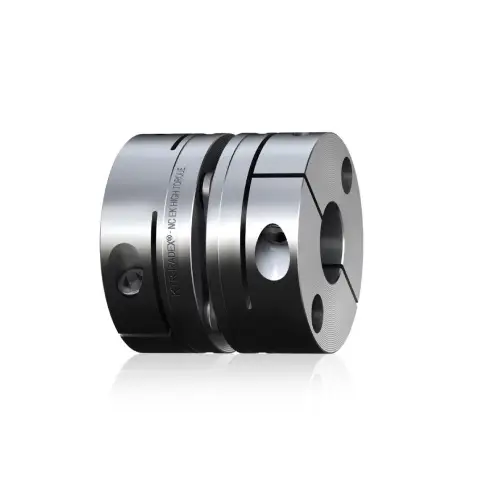
It has a pair of flexible discs. This coupling works best when dealing with minor alignment issues. The compact design suits this coupling to small misalignment applications, but it is limited in handling angular or parallel misalignments.
Applications of Disc Coupling
The disc coupling technology is used in various industries for different purposes, from light-duty equipment to crucial infrastructure systems.
Here are some examples:Â
Power plants use  multi disc couplings as their turbines require the strength and flexibility of disc couplings.
It ensures reliable torque distribution in pumps and compressors, even when thermal expansion-induced misalignment may occur during continuous use.
It is used in test rigs and simulators due to its high-precision operation and zero-backlash performance.
Steel and cement industries use this device to transfer high torque in heavy industrial equipment.
It offers corrosion resistance and longevity in ship engines and propulsion systems.