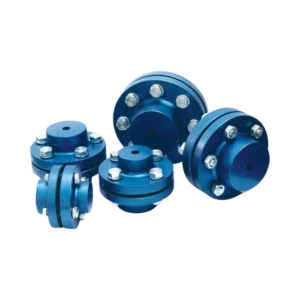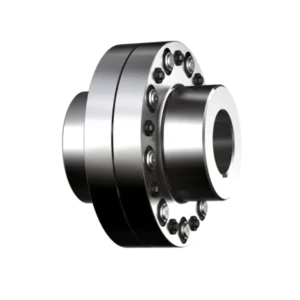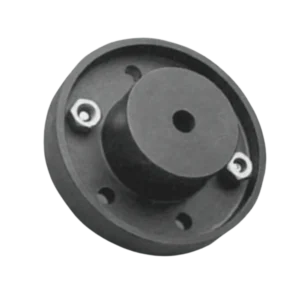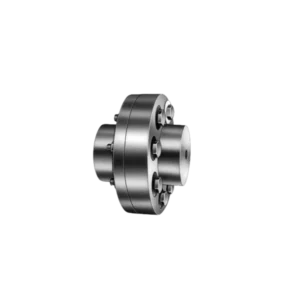

In the realm of industrial machinery, pin and bush couplings emerge as vital components. These couplings serve as a link between two shafts. Regardless of whether they are used in pumps, conveyors, or compressors, a
pin & bush coupling
will ensure the transmission of power without interruption.
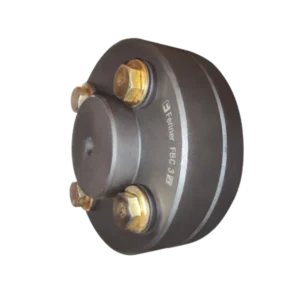
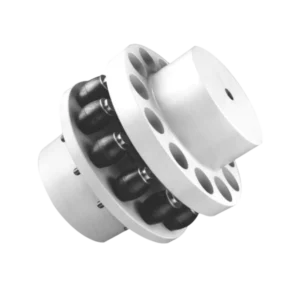
A pin and bush coupling is a flexible shaft coupling type that transmits torque generated between the two rotating shafts. The flexible bushes resemble cushions since they absorb shocks and vibrations during the operation. This is an important reason why industrial pin bush couplings are widely used in applications where high loads or fluctuating torque conditions are present.
Key Features & Advantages
DEAE53 Pin & bush couplings
are characterised by their long lifespan, good flexibility, and straightforward mechanism. Below are some of the key benefits:
Shock Absorption: The rubber bushes reduce vibrations and help connected components withstand shocks.
Misalignment Handling: They can correct minor angular, parallel, or axial misalignments.
Low Maintenance: Minimal moving parts-equipment needs small maintenance.
Easy Installation: Their uncomplicated structure reduces the time for assembly and disassembly.
The widely used models include the BC Series, EFC Series, KX-D Series, LBC Series, RB Series, and RC Series, each tailored for specific applications.
The BC Series provides average flexibility and good performance.
The EFC Series has been developed for better torque handling.
The KX-D Series provides robust support for heavy machinery with high damping.
The LBC Series is for tight spaces.
The RB and RC Series are famous for their endurance and dependable performance under tough conditions.
Design & Construction Details
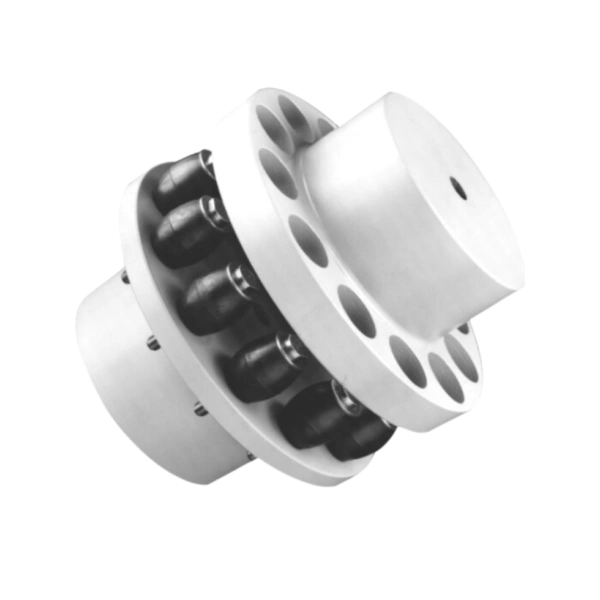
A pin and bush coupling consists of two flanged hubs joined by pins that carry rubber bushes. The bushes provide flexibility and allow torque to be transmitted, while also keeping metal-to-metal contact away. The materials used for these bushes are high-quality steel and resilient rubber, which ensure the strength and long service life.
Operational Considerations and Limitations
These couplings are the perfect solution for flexible and high-load conditions, but they have some downsides. Overloading or excessive misalignment can cause wear to the bushes, and they will need to be replaced sooner than expected. Regular checking-up and correct placement will not only maintain the performance but also prolong the service life of the coupling.
Selection Criteria / Sizing Guide
The optimum pin and bush coupling selection relies on:
The diameter of the shaft and the torque that is required
The speed of operation and the type of load
The tolerance of misalignment
The conditions of the environment (temperature, humidity, etc.)
Installation and Maintenance Best Practices
Proper coupling maintenance ensures the reliability and safety of the equipment. The following are maintenance tips for the pin & bush coupling:
Inspect the bushes regularly for signs of wear or cracks.
Ensure the shafts are perfectly aligned before installation.
Regularly lubricate the bolts and check the torque tightness.
Replace the worn bushes immediately to prevent the creation of an unbalance.
Use Cases/ Applications by Industry
Pin and bush coupling for heavy machinery has application in various industrial areas, such as:
Cement and Mining industries: For crushers, conveyors, and mills, etc.
Steel and Power Plants: To manage high torque and vibrations
Water Treatment and Pumps: For effective power transmission
Textile and Paper Industries: For agile drive systems.
Why Choose DEAE53 / Dynamic Engineers & Exporters
Investing in the
DEAE53 pin & bush coupling means investing in performance, reliability, and peace of mind. The high-quality couplings eliminate the stress on the equipment, enhance the efficiency of the energy used, and reduce the maintenance costs.
Related Products / Alternative Couplings:
In some cases, other types of couplings can be used instead, depending on the application.
Jaw Coupling – For little machines and vibration damping.
Disc Coupling – For accurate alignment and fast operation.
Gear Coupling – For very high torque transmission in heavy industries.
In addition to industrial pin bush couplings, these alternatives can also be considered for specialised applications.
Conclusion
Using a DEAE53 pin & bush coupling for heavy machinery or standard industrial purposes provides a dependable connection that enhances productivity and reduces maintenance. By selecting our pin & bush coupling and adhering to regular coupling maintenance, the industry can achieve smoother operation and longer equipment life.
They provide remarkable shock absorption, accommodate misalignments, and support prolonged use in high-torque conditions; thus, they are perfect for heavy machinery.
Absolutely. The manufacturer will suggest customisation options that consider torque, shaft diameter, and operational requirements in order to match your machinery perfectly.